
We all know we should “eat better and exercise more.” But honestly? That advice is so vague it’s almost useless. The truth is, a healthy lifestyle doesn’t come from one big overhaul; it comes from a handful of small, consistent habits that slowly stack up into something powerful. The good news: most of them are simpler than you think.
You don’t need a perfect routine. You just need a few good ones you actually stick to. Here are the top habits that consistently show up in research, and in the lives of genuinely healthy people, presented in a way you can actually use starting today.
Why is a Healthy Lifestyle Important?
This might seem obvious, but the depth of the answer is worth sitting with. The benefits of a healthy lifestyle aren’t just about living longer; they’re about living better, right now, every single day.
I. Physical health benefits
Consistent healthy lifestyle choices significantly reduce the risk of the world’s biggest killers: heart disease, type 2 diabetes, stroke, and certain cancers. A heart-healthy lifestyle can cut cardiovascular disease risk by up to 80%, according to the American Heart Association. Beyond disease prevention, everyday benefits include more energy, stronger immunity, better digestion, and reduced chronic pain.
II. Mental health benefits
The connection between physical and mental health is far stronger than most people appreciate. Regular exercise has been shown to be as effective as antidepressants for mild to moderate depression. Quality sleep directly regulates emotional processing. Living a healthy, active lifestyle also reduces anxiety, improves focus and memory, and builds resilience to stress.
III. Longevity and quality of life
Research published in the journal Circulation found that adults who followed five healthy habits lived on average 14 years longer than those who followed none. But more importantly, those extra years were healthy years, not years spent managing preventable illness.
Components of a Healthy Lifestyle
Think of these as the core pillars, not a checklist to complete all at once:
- Nutrition: Eating mostly whole, minimally processed foods.
- Physical movement: Regular activity (about 20 minutes a day) makes a significant difference.
- Sleep: 7–9 hours of quality sleep per night.
- Mental and emotional well-being: Managing stress and practicing mindfulness.
- Social connection: Meaningful relationships and community.
- Avoiding harmful substances: Not smoking and limiting alcohol.
- Preventive healthcare: Regular checkups and screenings.
Top Habits for Good Health
1. Start your morning with water, not your phone
Before you scroll, drink. Your body loses water overnight, and even mild dehydration affects your energy, focus, and mood. A glass or two of water first thing in the morning wakes up your digestion and clears brain fog before the notifications take over.
Try this today: Put a glass of water on your nightstand tonight. Drink it before you pick up your phone tomorrow morning.
2. Walk more than you think you need to
Walking is the most underrated health habit out there. It improves cardiovascular health, reduces anxiety, and aids digestion. If you need a change of scenery to keep your steps interesting, consider planning a trip to one of the top new travel destinations in 2026, where walking and exploration go hand-in-hand.
Try this today: Schedule a 15-minute walk after lunch this week. No headphones required, just let your mind wander.
3. Protect your sleep like it’s your most valuable asset
Poor sleep affects your immune system, metabolism, and emotional regulation. The single biggest sleep disruptor for most people is screens before bed. To improve your sleep hygiene, you can utilize the best smart home devices 2026 to automate dimming lights or set a “wind-down” atmosphere in your home.
Try this today: Set a “screens off” alarm for 30 minutes before your bedtime. Read or stretch instead.
4. Eat real food most of the time, no strict diet required
The simplest nutrition principle: eat mostly whole, minimally processed foods. The “80/20 approach” works well—eat well 80% of the time and don’t stress about the other 20%.
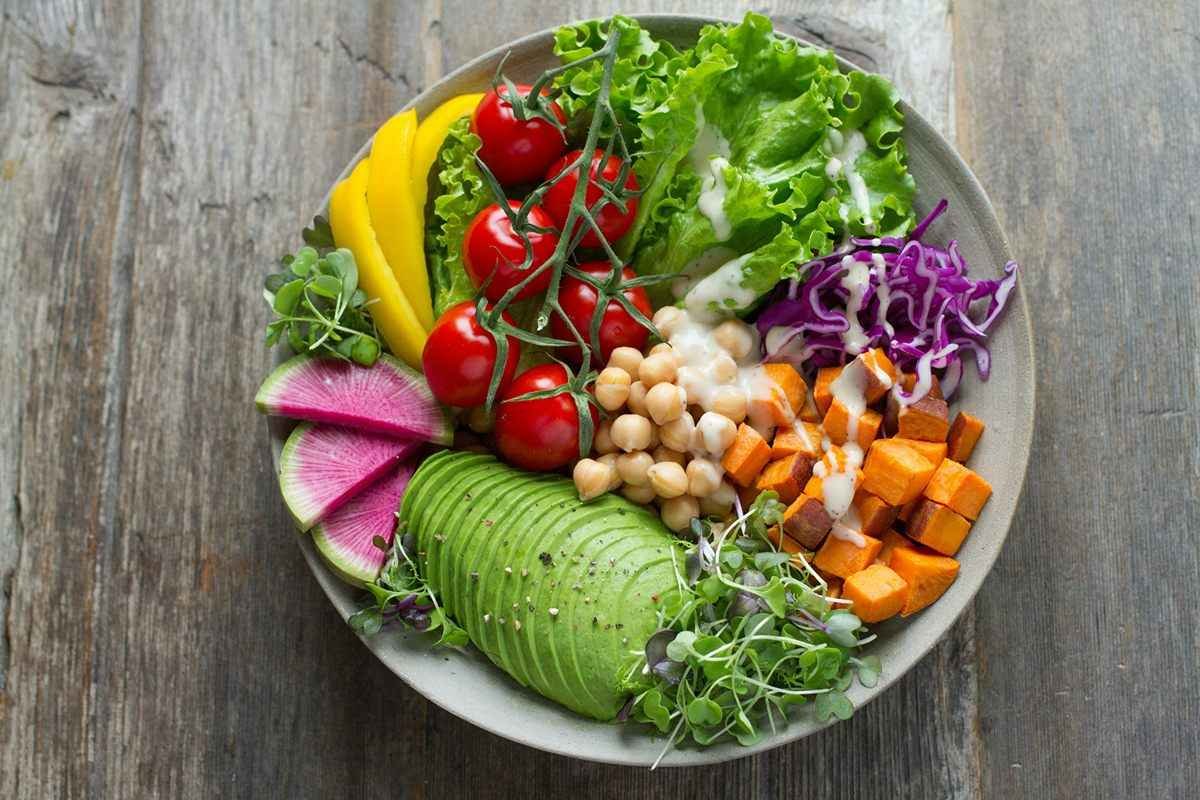
Try this today: Add one extra vegetable to one meal today. A handful of spinach or some cherry tomatoes can compound into a long-term habit.
5. Take care of your mental health
Chronic stress raises cortisol and disrupts sleep. Even 5 minutes of deep breathing or taking a real lunch break away from your screen can noticeably lower your stress levels. If you find it hard to find time for self-care, explore the best AI tools 2026 to help automate your daily tasks and free up mental space.
Try this today: Try 5 deep breaths right now, inhale for 4 counts, hold for 4, exhale for 6.
6. Build something social into your week
Loneliness is a major public health risk. Humans are wired for connection. A weekly coffee with a friend or a regular phone call with someone you care about is a health habit, too.
How to Start a Healthy Lifestyle?
Starting is the hardest part. The research on behavior change is clear: small and easy beats large and ambitious every time.
- Pick one habit, not five: Choose the single easiest change this week.
- Make it obvious: Put your water bottle on your desk or sleep in your workout clothes.
- Habit stacking: Link a new habit to an existing one (e.g., “After I pour coffee, I will drink water”).
- Track it simply: A checkmark on a calendar is enough to build momentum.
Why do people find it hard to follow a healthy lifestyle?
Knowing what to do and doing it are two different things. Most people struggle because:
- Time: Health rarely feels urgent until it’s a crisis.
- Conflicting Information: The internet is full of contradictory advice, leading to decision fatigue.
- The All-or-Nothing Mindset: Perfectionism is the enemy of progress.
- Environment: Highly processed foods are often cheaper and more convenient.
- Mental Health: Stress and trauma can lead to emotional eating and low motivation.
Conclusion
A healthy lifestyle is not a destination; it’s a direction you keep choosing. Start with one habit, build on it, and be patient with yourself when you slip. Your future self is being shaped by what you do today.
FAQs
How long does it take to see results?
Most people notice better energy and improved sleep within 2–4 weeks. Measurable changes like improved fitness or blood pressure typically appear within 6–12 weeks.
What are the best habits to build first?
Consistent sleep (7–9 hours) is the highest-leverage starting point because it directly improves every other health behavior.
What are the main components of a healthy lifestyle?
A balanced diet, regular movement, adequate sleep, stress management, social connection, avoiding harmful substances, and preventive healthcare.